


KiwiSaver: Why Employers Need to Pay Attention Now
KiwiSaver is becoming an increasingly important issue for NZ employers, affecting remuneration, payroll costs and employee retention. Here’s what employers should be thinking about now as contribution rates and workforce expectations change.

Camera Glasses at Work: Is Your Workplace Policy Keeping Up?
Camera glasses and smart glasses can record video, audio and photos without being as obvious as a phone. Here’s what NZ employers should consider around workplace privacy, recording, customer behaviour and updating workplace policies.

AI at Work: Don’t Just Automate the Job — Redesign It
AI is changing how work gets done. But for most New Zealand employers, the useful question isn’t simply whether AI will replace jobs.
It is:
Which parts of the job should AI do, and which parts are better done by people?
That shift in thinking matters.
Deloitte New Zealand’s 2026 Human Capital Trends research found 87% of New Zealand organisations consider planning for future workforce needs amid disruption very or extremely important. Yet only 2% say they are leading when it comes to intentionally designing how people and AI work together.
In other words, employers know change is coming. Working out what that actually means for their people is proving harder.
Start with the work, not the technology

AI Interviews Are Here: How to Beat the Bot Without Losing the Human
If you thought AI recruitment was something happening overseas, think again.
In April 2026 alone, Employment Hero reportedly conducted more than 2,500 AI-led interviews in New Zealand, with employers using AI to shortlist candidates and carry out first-round screening interviews.
For employers facing hundreds of applications, it is easy to see the attraction. AI can save time, provide consistency and help process applications quickly.
But recruitment isn't just about processing candidates. It is also where people start forming an opinion about your business.
And that matters.
So, what does an AI interview actually look like?

Cultural Differences at Work: What NZ Employers Need to Understand
New Zealand workplaces are becoming more culturally diverse, and many businesses are increasingly reliant on migrant workers, particularly in sectors where finding local staff is hard.
That diversity is a real strength. It brings different skills, perspectives and ways of thinking into a business. But it can also bring challenges if we assume everyone sees work, communication, authority and behaviour in the same way we do.
The important thing to remember is that culture is not just something “other people” have. We all have cultural norms. We all carry assumptions about what is respectful, what is rude, what good communication looks like, and how people should behave at work.
When those assumptions are different, things can be misunderstood quickly.

Overqualified Candidates in NZ: The Myth Costing Employers and Communities
Across New Zealand, many experienced job seekers are being overlooked as “overqualified” — especially workers aged 40 and over. But in many cases, these candidates are not asking for senior leadership roles or bigger titles. They want meaningful work, human connection, and the chance to contribute.
For NZ employers, dismissing experienced candidates too quickly can mean missing out on valuable skills, stronger team culture, and the kind of practical wisdom that helps businesses and communities thrive. It also raises an important question about recruitment bias and whether hiring managers are making assumptions instead of assessing what a person could genuinely bring to the role.

Stalking and harassment: what HR should be thinking about now
Stalking and harassment: what HR should be thinking about now
New Zealand now has a standalone criminal offence for stalking and harassment. The Crimes Legislation (Stalking and Harassment) Amendment Act 2025 received Royal assent on 26 November 2025 and comes into force on 26 May 2026.
For HR, this is more than a criminal law update. It is a prompt to check whether workplace policies, safety planning, privacy settings, and manager training are fit for purpose.
The new offence is based on a pattern of behaviour. That means specified behaviour occurring at least twice within a two-year period, where the person knows it is likely to cause fear or distress. In a workplace context, that might include repeated unwanted contact, following, monitoring, loitering near work, sending unwanted gifts, online contact, reputation damage, doxing, or using workplace information to track when and where someone is working.
Employers are not expected to investigate stalking in the way Police would. However, if the behaviour creates a work-related risk, the employer needs to respond. That may include risks involving customers, clients, contractors, former employees, current employees, or someone connected to a worker’s personal life.
Here are the key areas HR should review over the next few months…

Stalking and harassment: what the new law means for workplaces
Stalking and harassment: what the new law means for workplaces
New Zealand now has a standalone criminal offence for stalking and harassment. The change came into force on 26 May 2026 and gives clearer recognition to repeated behaviour that can cause fear, distress, or a real sense of being unsafe.
For workplaces, this is worth paying attention to.
Stalking is not always something that happens “outside work”. In some cases, the workplace is where the behaviour starts. It might involve a customer repeatedly asking for a particular staff member, someone waiting near the workplace, persistent messages through social media, unwanted gifts, or a person using work information to track when and where someone is working.
It can also happen within an organisation, including between current or former colleagues. Where there are power dynamics, close working relationships, or concerns about not being believed, affected workers may be reluctant to speak up early.
Smarter processes, stronger teams, better customer experiences
Across New Zealand, many businesses are being asked to do more with the same people, systems, and hours in the day.
Costs are tight. Customers expect quick answers. Teams are busy. Behind the scenes, small process issues often slow everything down: double-handling, spreadsheet workarounds, missed follow-ups, manual reporting, disconnected systems, and too much information sitting in people’s heads.
That is usually where the real opportunity starts.
At EASI NZ, we help businesses take a practical look at how work actually gets done. From there, we identify where better processes, automation, data, or AI-assisted workflows could make operations easier for the team and better for the customer.
This is not about replacing people with technology. It is about removing repetitive work and process friction so people can focus on the moments where they have the biggest impact on the customer experience.
Cost optimisation is not just about cutting.

Micromanagement or Accountability? Understanding the Difference in the Workplace
Micromanagement often comes up as one of the most disliked management traits when we speak with job candidates or support businesses through leadership challenges. People want to feel trusted, respected, and capable in their roles. Yet managers can be unsure where the line sits: what counts as micromanagement, and how do you balance autonomy with ensuring people are doing the job they were hired to do?

The Only Way Is Up, Baby…Or is it?
Traditionally, it has been perceived to be progressing in your work like you need to be “moving up”. That is, as your career progresses, success means moving in to management. However, not everyone is born to be a manager or a leader, regardless of how skilled or knowledgeable they are in their chosen field.

Pay Rises and the Cost of Living: How Employers Can Respond Well
Pay Rises and the Cost of Living: How Employers Can Respond Well
It’s no surprise that the cost of living is putting real pressure on people right now. Fuel prices are front and centre, but they are far from the only issue. Rent, interest rates, utilities, insurance, and compulsory KiwiSaver contributions have all gone up too. For many employees, it can feel like their pay just is not stretching as far as it used to.
When that happens, it is natural for people to look to their employer for help, often in the form of a pay rise.
The challenge is that employers are often feeling the same squeeze. Many businesses are dealing with rising costs across the board, which means there is less room to move than staff might expect. So how do you respond in a way that is fair, practical, and still supportive?
Why Businesses in New Zealand Are Rethinking Performance Reviews
Why Businesses in New Zealand Are Rethinking Performance Reviews
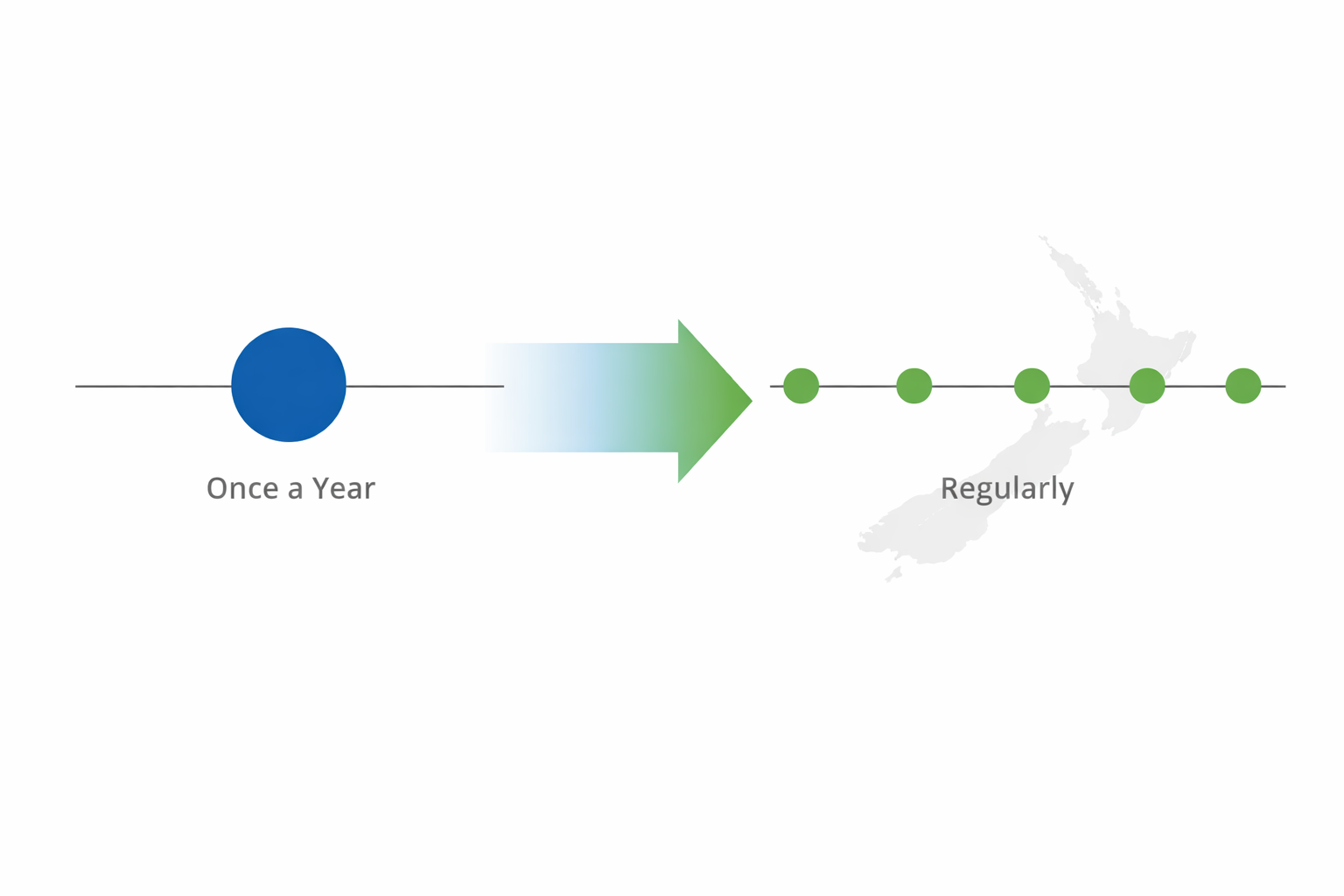
Imagine waiting an entire year to hear how you’re performing at work.
For many employees, that’s exactly what the traditional annual performance review feels like — one conversation meant to summarise twelve months of work. But in modern workplaces, many organisations are discovering that this approach to employee performance reviews no longer delivers the results they need.
Across New Zealand, businesses are changing the way they manage performance reviews and employee development. Instead of relying on annual evaluations, many organisations are introducing ongoing performance management conversations throughout the year.
The result? Better employee engagement, stronger communication, and improved business performance.

Employee vs Contractor: What’s the Difference for New Zealand Businesses?
Employee vs Contractor: What’s the Difference for New Zealand Businesses?
As businesses grow, one of the most important decisions you’ll make is how to engage people to get the work done. Should you hire an employee or engage a contractor? Both options can work well depending on your business needs, but understanding the difference is essential.
In New Zealand, the distinction matters because employees and contractors have different rights, responsibilities, and legal protections. Getting the classification wrong can lead to compliance issues and unexpected costs.
At EASI NZ, we help businesses understand these differences so they can scale confidently and stay compliant.

HR for Small Businesses in NZ: A Practical Guide to Getting It Right
Most small businesses don’t start with an HR strategy.
They start with a skill, a trade, a service, or a gap in the market. The people side of the business often develops later — usually when the workload grows beyond what one person can manage.
For many owner-led businesses, HR evolves organically. A contract is downloaded when needed. A policy gets written after an issue arises. A conversation is handled as best as possible.
And often, that works — for a while.

Changing Employment Conditions & Managing Risk: What Employers Need to Know
Changing Employment Conditions & Managing Risk: What Employers Need to Know
One of the most common situations where employers run into employment claims is when they make changes to an employee’s conditions of employment — or take actions that could eventually put that employment at risk.
These situations often start with legitimate business needs. A business may need to adjust working hours, restructure roles, or address performance concerns. However, if the correct process is not followed, what begins as a practical management decision can quickly become a legal issue.
Understanding how to manage these situations properly is an essential part of being an employer.

AI Without a Governance Framework Is Not Strategy — It’s Risk
Across New Zealand, organisations are rushing to adopt artificial intelligence. The pressure is real. Boards are asking about it. Vendors are selling it. Competitors are talking about it.
But too many businesses are adopting AI out of fear of falling behind rather than clarity about where they are going.
AI-FOMO is not strategy.

Housing, Growth, & Rethinking Workforce Needs in Queenstown Lakes & Central Otago
Queenstown Lakes and Central Otago are growing fast. More people are moving to the region, more visitors are arriving each year, and more businesses are opening or expanding. This growth brings jobs and economic opportunity, but it also places pressure on housing, infrastructure, and the local workforce. As a result, employers are facing a dual challenge: housing shortages make it hard to attract staff, and rising demand makes it hard to operate with existing teams.
Employers, Beware the “Accidental Employee”
Employers, Beware the “Accidental Employee”
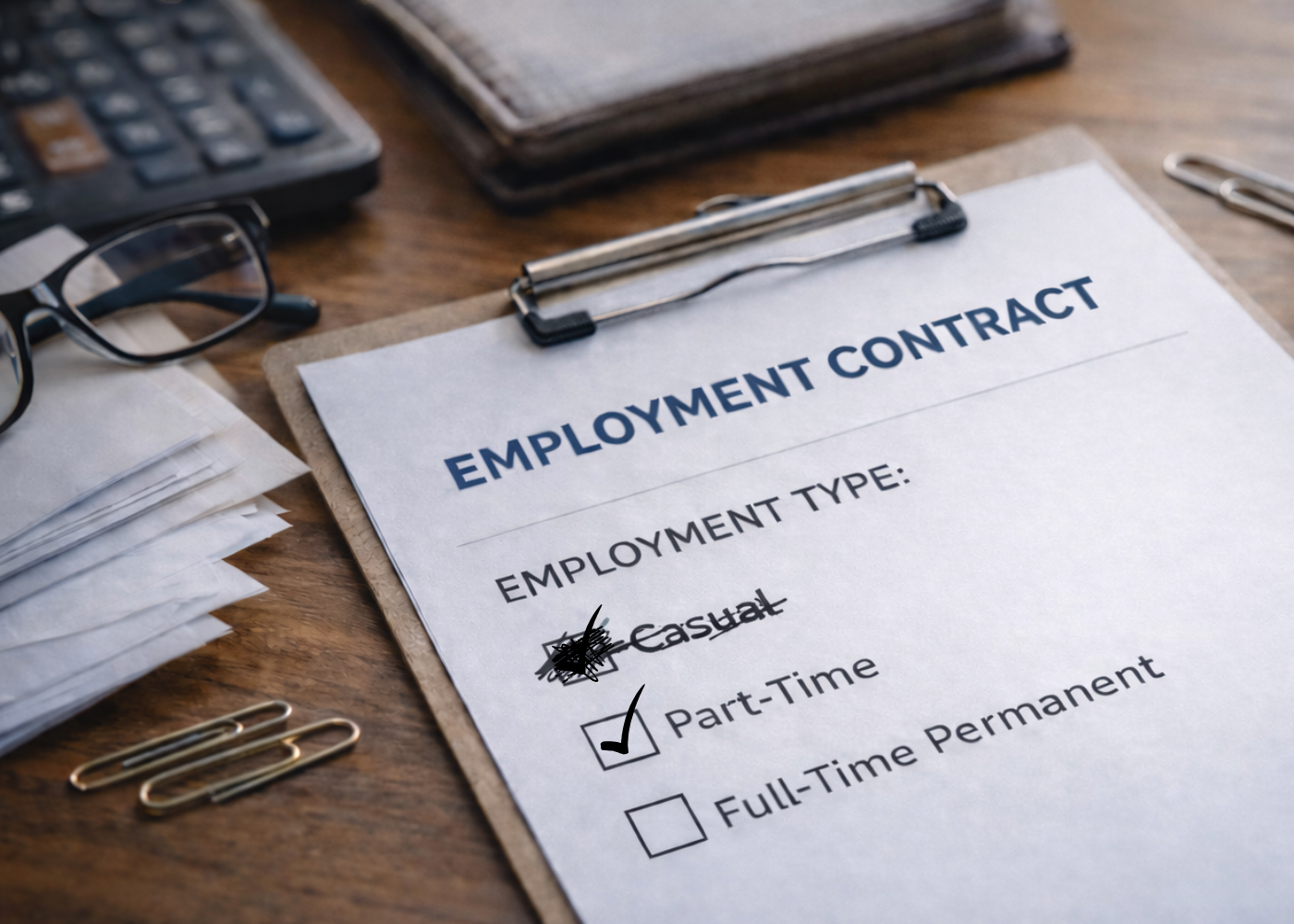
For small business owners and managers, deciding when to employ, who to employ, and on what type of contract is one of the most important strategic decisions you will make.
It’s also one of the most common areas where we see well-intentioned employers inadvertently increase their risk — often without realising it.
One of the biggest traps? The “accidental employee.”

Getting Prepared for 2026
Getting Prepared for 2026
Why HR Strategy Matters More Than Ever
For HR to truly support your business, it can’t operate as a purely administrative tick-box exercise. It should be a strategic function—one that directly connects your people, your processes, and your paperwork to your business goals, vision, and values.