
Why Businesses in New Zealand Are Rethinking Performance Reviews
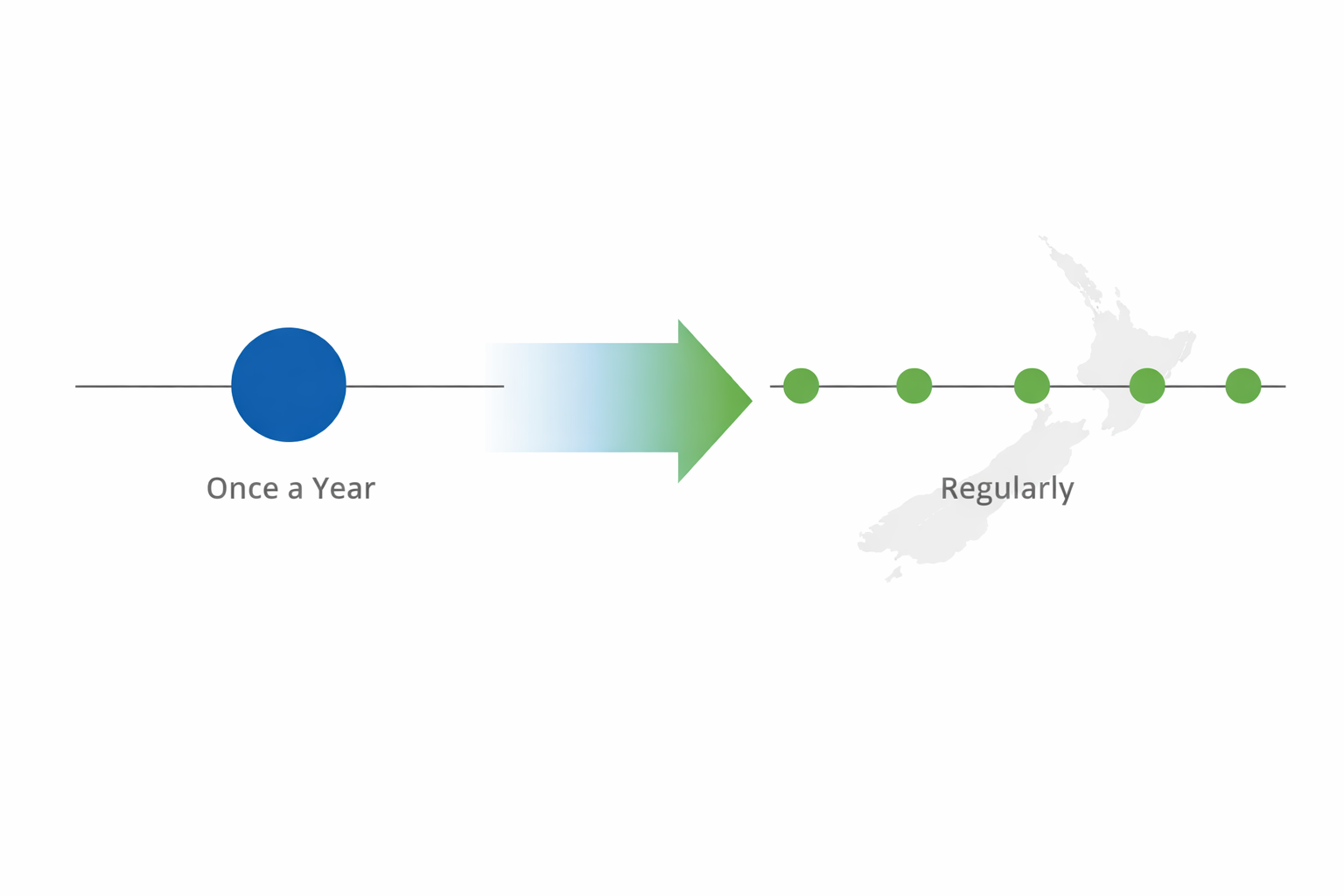
Imagine waiting an entire year to hear how you’re performing at work.
For many employees, that’s exactly what the traditional annual performance review feels like — one conversation meant to summarise twelve months of work. But in modern workplaces, many organisations are discovering that this approach to employee performance reviews no longer delivers the results they need.
Across New Zealand, businesses are changing the way they manage performance reviews and employee development. Instead of relying on annual evaluations, many organisations are introducing ongoing performance management conversations throughout the year.
The result? Better employee engagement, stronger communication, and improved business performance.
The Challenges With Traditional Performance Reviews
One of the biggest challenges with traditional annual performance reviews is timing.
When feedback only happens once a year, discussions often focus on events that occurred months earlier. By the time feedback is delivered:
Important details may be forgotten
The situation may have changed
Opportunities to address challenges earlier may have been missed
Instead of supporting improvement, annual reviews often become retrospective evaluations rather than meaningful development conversations.
Annual reviews can also feel high-pressure for employees. When feedback is concentrated into one formal meeting, the discussion can feel more like an assessment than a supportive conversation about growth.
For many businesses, the process becomes more about completing an HR requirement than genuinely improving performance.
Why Continuous Performance Management Works Better
Modern workplaces are recognising that effective performance management happens throughout the year, not once every twelve months.
Regular conversations between managers and employees help ensure feedback remains timely, relevant, and constructive. When managers check in more frequently, they can address challenges early and support employee development more effectively.
Many organisations in New Zealand are now adopting approaches such as:
Quarterly performance reviews
Regular manager check-ins
Ongoing development conversations
This approach keeps performance discussions connected to the day-to-day reality of work rather than reflecting on events long after they have occurred.
Business Benefits of Modern Performance Reviews
Updating the way your organisation approaches employee performance reviews can deliver significant benefits for both employees and the business.
Stronger Employee Engagement
Employees who receive regular feedback are more likely to feel supported and valued. When people understand expectations and see how their work contributes to business goals, motivation and engagement increase.
Improved Productivity and Performance
Timely feedback allows teams to adjust quickly. Instead of allowing barriers to continue for months, managers can provide guidance early and help employees stay on track.
Better Communication and Workplace Culture
Regular performance conversations encourage open communication. Employees feel more comfortable raising concerns, asking questions, and sharing ideas when feedback is part of everyday workplace practice.
Clear Alignment With Business Strategy
Effective performance management systems help employees understand how their role supports the wider goals of the organisation. This alignment strengthens teamwork and improves overall business performance.
The Future of Performance Reviews in NZ Workplaces
Workplaces are evolving, and so are employee expectations.
Businesses across New Zealand are moving away from traditional annual reviews and adopting more flexible and continuous performance management approaches.
This shift does not remove structure from performance reviews. Instead, it replaces outdated processes with meaningful conversations that support employee growth and organisational success.
When employees receive clear expectations, regular feedback, and opportunities for development, performance improves — and so does the business.