


Micromanagement or Accountability? Understanding the Difference in the Workplace
Micromanagement often comes up as one of the most disliked management traits when we speak with job candidates or support businesses through leadership challenges. People want to feel trusted, respected, and capable in their roles. Yet managers can be unsure where the line sits: what counts as micromanagement, and how do you balance autonomy with ensuring people are doing the job they were hired to do?

The Only Way Is Up, Baby…Or is it?
Traditionally, it has been perceived to be progressing in your work like you need to be “moving up”. That is, as your career progresses, success means moving in to management. However, not everyone is born to be a manager or a leader, regardless of how skilled or knowledgeable they are in their chosen field.
Why Businesses in New Zealand Are Rethinking Performance Reviews
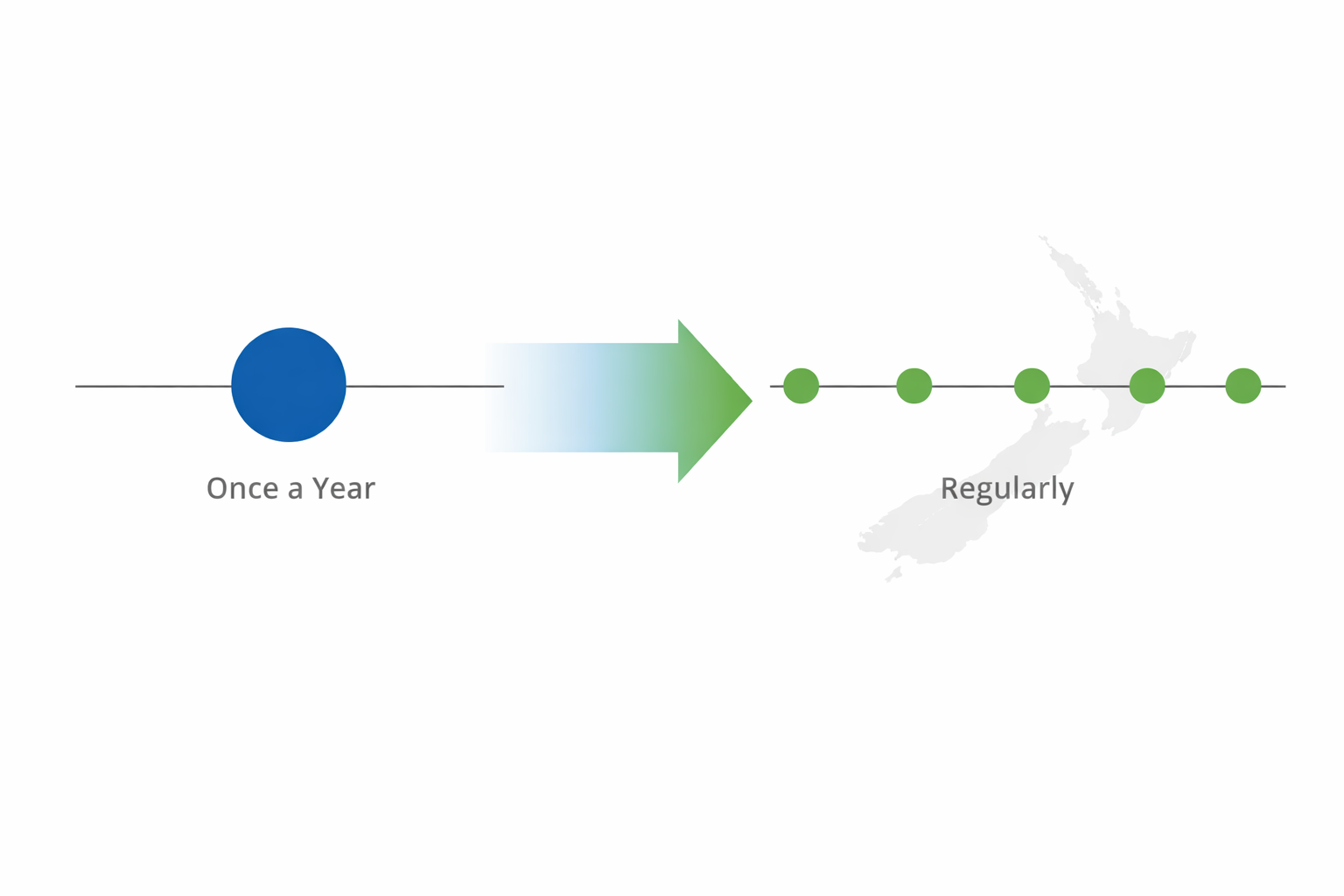
Why Businesses in New Zealand Are Rethinking Performance Reviews
Imagine waiting an entire year to hear how you’re performing at work.
For many employees, that’s exactly what the traditional annual performance review feels like — one conversation meant to summarise twelve months of work. But in modern workplaces, many organisations are discovering that this approach to employee performance reviews no longer delivers the results they need.
Across New Zealand, businesses are changing the way they manage performance reviews and employee development. Instead of relying on annual evaluations, many organisations are introducing ongoing performance management conversations throughout the year.
The result? Better employee engagement, stronger communication, and improved business performance.

HR for Small Businesses in NZ: A Practical Guide to Getting It Right
Most small businesses don’t start with an HR strategy.
They start with a skill, a trade, a service, or a gap in the market. The people side of the business often develops later — usually when the workload grows beyond what one person can manage.
For many owner-led businesses, HR evolves organically. A contract is downloaded when needed. A policy gets written after an issue arises. A conversation is handled as best as possible.
And often, that works — for a while.

Staff APPRECIATION
The promise of a new year brings with it the possibility of a fresh start, new beginnings and maybe new resolutions that may or may not last further that the 2nd January!
It’s also a busy time in recruitment as candidates start to re-think their priorities and whether they feel valued in their current jobs.
If you run a business, do you think you have a good handle on what your team are looking for?
Maybe they want a promotion or pay rise, a change in direction with their career or maybe (I hope not) they’re just not feeling appreciated enough to come back in the New Year.
There are few things in life that can provide a bigger dopamine hit (the feel good hormone), than being told you’ve done a great job, reached your targets in good time, are a great team player or, any other part of your job you’ve done well at. Spreading out a bit of gratitude at the end of the year costs nothing compared to not letting your people know they’re appreciated which could potentially cost you a lot more in recruitment, stress, and lost productivity.

Kindness, Quirks & Capability: Rethinking Neurodiversity in Hiring
Kindness, Quirks & Capability: Rethinking Neurodiversity in Hiring
Let’s start with a stat that should make every HR manager sit up straighter: around 15–20% of the global population is neurodivergent. That’s not a niche — that’s a whole lot of untapped brilliance. Yet traditional hiring practices still favour the smooth-talking, CV-polished, handshake-perfect candidate. And in doing so, we risk missing out on some of the most focused, creative, loyal, and detail-oriented minds out there.
Researchers Dana L. Ott and Miriam Moeller are leading the charge in this space. They co-authored the Autism Employment Playbook, a resource that challenges outdated recruitment norms and offers practical, inclusive strategies for employers. Their work digs deeper into how businesses and organisations can do better — by recognising neurodiversity as an invisible inequality and making inclusion more than a buzzword. Even small accommodations — like offering alternative interview formats or quiet workspaces — can make a massive difference. And when neurodivergent employees thrive, productivity follows. (SAP saved $40 million thanks to a neurodivergent team member’s technical fix. Just saying.)
EASI NZ was fortunate to attend a recent HRNZ workshop where the Playbook was presented. It was a powerful reminder that 80% of autistic people in Aotearoa want to work, but only 22% are employed. That’s not a talent gap — that’s a systems gap.

“Upskilling NZ: Readying for AI and Automation”
Discover how New Zealand can future-proof its workforce in the age of AI and automation. This blog explores the importance of human skills, flexible education pathways, and the role of employers in building a tech-smart, people-first future.

“Is It Time to Grow Your Team? Here’s How to Know ”
Hiring someone new is a big step—so how do you know when the time is right? In this article, we explore the key things to consider before growing your team, from aligning with your business strategy to understanding the real cost of bringing someone on board. With right planning, it can be one of the best investments you make, read on if this is where your business is heading.

“Empowering Job Seekers Across Southland ”
EASI NZ is excited to expand our donation-based CV Confidence Workshops across the Southland. Designed for job seekers, migrants, and newcomers, these sessions offer practical skills to craft strong CVs, navigate Kiwi work culture, and understand employee rights—empowering you to succeed in New Zealand’s job market. Whether you’re starting your first job or transitioning careers, these workshops are designed to empower you every step of the way.

“Future-Proofing Tech Recruitment in NZ”
Future-proofing tech recruitment in New Zealand requires a focus on emerging technical skills like Flutter and DevOps, alongside soft skills such as adaptability and emotional intelligence. Embracing upskilling, hybrid leadership, and inclusive hiring strategies will help organizations stay competitive in the evolving digital landscape.

“Fostering Trust in the Workplace”
Trust is the foundation of any successful workplace relationship. As recognized by the Employment Relations Act 2000, "mutual trust and confidence" is crucial for a thriving employment environment. In our latest article, we explore effective strategies to cultivate trust within your organization. From open communication and embracing mistakes as learning opportunities to empowering autonomy and fostering accountability, discover how to create a collaborative atmosphere where trust can flourish.

“Beyond Bias: Hiring for Skills, Values, and the Right Fit”
As we continue to advance into 2025, one trend stands out prominently: the conversation around generational differences in the workplace is shifting. Instead of focusing on age or background, the emphasis must be on hiring the right candidate based on their skills, values, qualifications, and experience.
While skills can be taught, trained, or learned, instilling values and achieving cultural fit is considerably more challenging.

Shaking Up Recruitment: The 2025 Trends You Need to Know
As we dive into recent recruitment trends, it's clear that moving forward, we need to listen up and shake up the way we approach hiring. Here are some key insights:
Walk the Talk
Businesses, it's time to represent yourselves authentically because 85%* of job seekers check out your reviews before they even consider applying. Remember, they are ultimately picking you. Ensure your online presence accurately reflects your values and culture.
Spoiler alert: Great crisis leadership isn’t about having all the answers in the moment. It’s about preparing ahead of time, so when the pressure’s on, you don’t make things worse.

Rethinking Recruitment and Staff Development: Unlocking Potential for Success
Let’s face it: recruitment, onboarding, and training are expensive. Yet, many businesses underestimate the true cost of turnover and miss the opportunity to invest in the talent they already have. If you want a thriving business, it’s time to rethink how you recruit, promote, and develop your team. By focusing on what makes people truly thrive, you can foster a culture of growth, productivity, and loyalty—one that pays off in the long run.

Beyond Face Value: Checking Your Biases in Recruitment
Hiring the right person isn’t just about what’s on paper. A CV provides a snapshot but doesn’t tell the whole story. Relying solely on it could mean missing out on exceptional talent. Let’s address common biases—particularly age bias—and discuss strategies for a fair recruitment process.

Back to Work - what are the barriers and who should you work for?
Needing to re-enter the workforce after a break? It can be daunting to take that first step back and it’s common to second-guess your skills and experience. It’s important to remember, the life skills gained during time away are incredibly valuable and can be so transferable to the workplace.
To make the transition back to work smoother, there are several steps that can help. First and foremost, it’s important to identify your skills, consider the kind of employer you want to work for, determine how many hours you can manage, and reflect on the conditions that would help ease your return. Additionally, it’s crucial to know your “why.” For most, it’s a financial necessity. For others, it might be about seeking social interaction, personal growth, or a sense of belonging within a team.

Let’s talk about expectations…
We’ve all been there in one context or another when we feel let down, disappointed or frustrated when someone fails to meet our expectations. This is equally true of workplace relationships and is often when relationships turn sour. Ensuring clear expectations from the outset of the relationship helps to keep communication lines open and reduces the chances of miss-hires, frustrations, and potentially losing key staff members.

Navigating AI in Recruitment: The Perks, the Quirks, and the Human Element
As a recruiter, one of my primary goals is to look beyond the surface—past biases, appearances, and poorly written CVs. I value face-to-face interactions to get a complete picture of candidates, including their expressions and body language. However, the rise of artificial intelligence (AI) in recruitment is reshaping the landscape, offering both opportunities and challenges. Here, we explore three pros and three cons of using AI to grow a team.

breaking the mould and redefining recruitment
At EASI NZ, we revolutionise recruitment with bespoke HR and employment solutions tailored to your unique needs. Unlike traditional agencies, our personalised approach manages full recruitment campaigns and offers flexible support. Discover how we ease interview stress and guide businesses to make impactful hiring decisions that drive growth and team investment.

How well does your business support inclusion and diversity?
We currently face a tough market to attract employees and retaining staff is crucial. It is important that you cast the net as widely as possible but to do so successfully it is important to take stock of what your current staffing looks like and whether any changes might be needed to ensure your workplace is welcoming to all.
Most business owners and managers will be driven to create a workplace that is welcoming. To achieve this it is important to reflect on how you would ensure this is the case for someone who is in one way or the other different to the majority of your employees. This could include gender, age, sexuality, ethnicity, family situation, neurodivergence, disability to mention a few. Whilst, hopefully, no one would set out to make some-one feel uncomfortable or unwelcome – workplace norms that have developed over time may unintentionally have this effect.