


AI at Work: Don’t Just Automate the Job — Redesign It
AI is changing how work gets done. But for most New Zealand employers, the useful question isn’t simply whether AI will replace jobs.
It is:
Which parts of the job should AI do, and which parts are better done by people?
That shift in thinking matters.
Deloitte New Zealand’s 2026 Human Capital Trends research found 87% of New Zealand organisations consider planning for future workforce needs amid disruption very or extremely important. Yet only 2% say they are leading when it comes to intentionally designing how people and AI work together.
In other words, employers know change is coming. Working out what that actually means for their people is proving harder.
Start with the work, not the technology
Smarter processes, stronger teams, better customer experiences
Across New Zealand, many businesses are being asked to do more with the same people, systems, and hours in the day.
Costs are tight. Customers expect quick answers. Teams are busy. Behind the scenes, small process issues often slow everything down: double-handling, spreadsheet workarounds, missed follow-ups, manual reporting, disconnected systems, and too much information sitting in people’s heads.
That is usually where the real opportunity starts.
At EASI NZ, we help businesses take a practical look at how work actually gets done. From there, we identify where better processes, automation, data, or AI-assisted workflows could make operations easier for the team and better for the customer.
This is not about replacing people with technology. It is about removing repetitive work and process friction so people can focus on the moments where they have the biggest impact on the customer experience.
Cost optimisation is not just about cutting.

Micromanagement or Accountability? Understanding the Difference in the Workplace
Micromanagement often comes up as one of the most disliked management traits when we speak with job candidates or support businesses through leadership challenges. People want to feel trusted, respected, and capable in their roles. Yet managers can be unsure where the line sits: what counts as micromanagement, and how do you balance autonomy with ensuring people are doing the job they were hired to do?

The Only Way Is Up, Baby…Or is it?
Traditionally, it has been perceived to be progressing in your work like you need to be “moving up”. That is, as your career progresses, success means moving in to management. However, not everyone is born to be a manager or a leader, regardless of how skilled or knowledgeable they are in their chosen field.
Why Businesses in New Zealand Are Rethinking Performance Reviews
Why Businesses in New Zealand Are Rethinking Performance Reviews
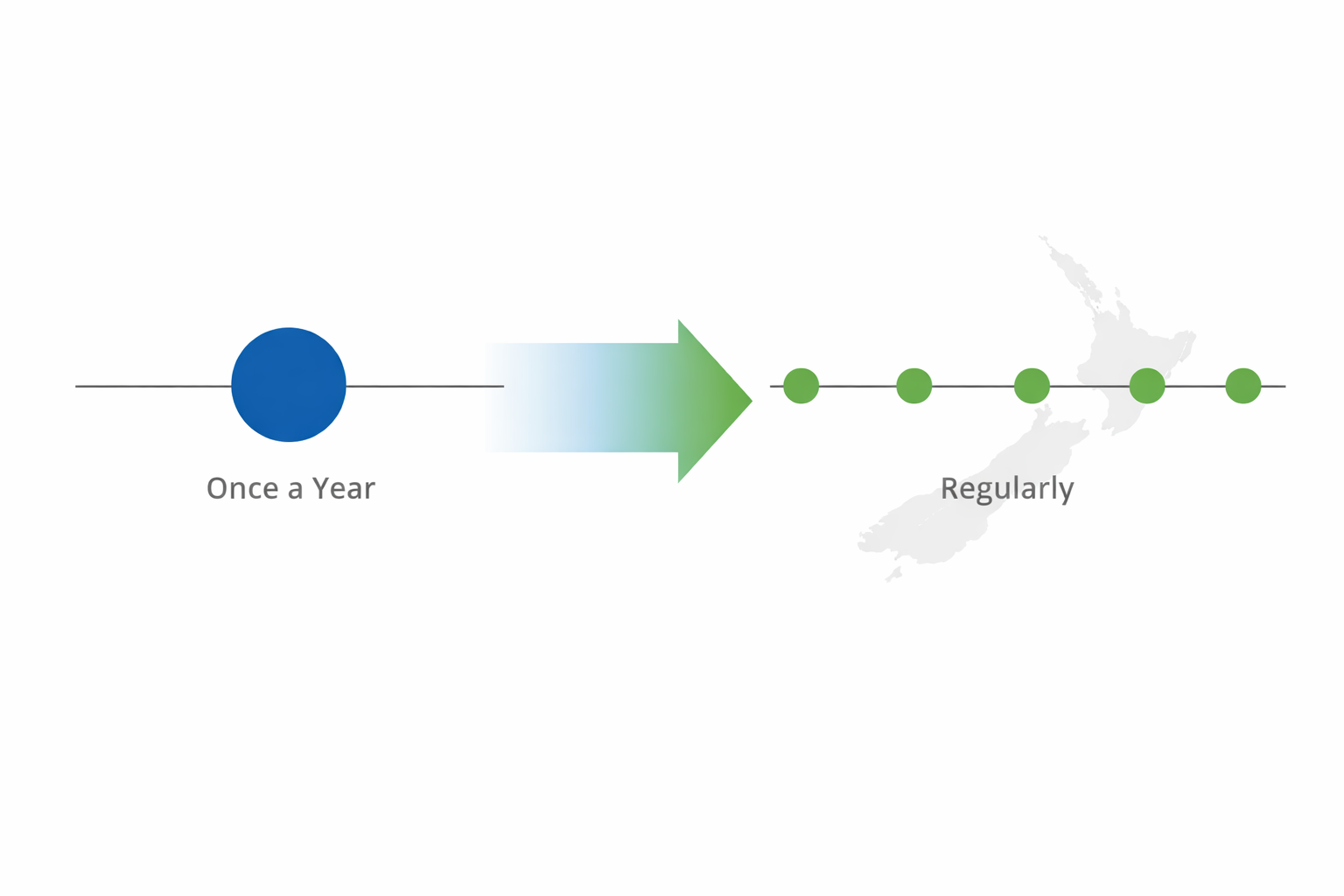
Imagine waiting an entire year to hear how you’re performing at work.
For many employees, that’s exactly what the traditional annual performance review feels like — one conversation meant to summarise twelve months of work. But in modern workplaces, many organisations are discovering that this approach to employee performance reviews no longer delivers the results they need.
Across New Zealand, businesses are changing the way they manage performance reviews and employee development. Instead of relying on annual evaluations, many organisations are introducing ongoing performance management conversations throughout the year.
The result? Better employee engagement, stronger communication, and improved business performance.

HR for Small Businesses in NZ: A Practical Guide to Getting It Right
Most small businesses don’t start with an HR strategy.
They start with a skill, a trade, a service, or a gap in the market. The people side of the business often develops later — usually when the workload grows beyond what one person can manage.
For many owner-led businesses, HR evolves organically. A contract is downloaded when needed. A policy gets written after an issue arises. A conversation is handled as best as possible.
And often, that works — for a while.

Changing Employment Conditions & Managing Risk: What Employers Need to Know
Changing Employment Conditions & Managing Risk: What Employers Need to Know
One of the most common situations where employers run into employment claims is when they make changes to an employee’s conditions of employment — or take actions that could eventually put that employment at risk.
These situations often start with legitimate business needs. A business may need to adjust working hours, restructure roles, or address performance concerns. However, if the correct process is not followed, what begins as a practical management decision can quickly become a legal issue.
Understanding how to manage these situations properly is an essential part of being an employer.
"What does it take to give good customer service?"
There's actually quite a lot to unpack on this subject, and pushing ego aside, let's focus on the raw human element. People will always remember how you make them feel! We know this, yet we can trip ourselves up sometimes when challenged with a difficult situation. For some people, empathy to others comes as second nature, and for others, maybe not so much. Identifying our strengths and weaknesses is really important here. Confidence will also play a major part, and for people with neurodivergence or learning disabilities, that may add another layer where conversing and comprehension could need support and patience.

“Fostering Trust in the Workplace”
Trust is the foundation of any successful workplace relationship. As recognized by the Employment Relations Act 2000, "mutual trust and confidence" is crucial for a thriving employment environment. In our latest article, we explore effective strategies to cultivate trust within your organization. From open communication and embracing mistakes as learning opportunities to empowering autonomy and fostering accountability, discover how to create a collaborative atmosphere where trust can flourish.

“What’s in a Name? The Vital Role of Job Descriptions”
In today’s dynamic workplace, an accurate job description is more than just a checklist of tasks—it’s a cornerstone of effective performance management and a critical tool for nurturing a positive company culture. Let’s explore why crafting precise job descriptions is essential for both employees and employers.
A well-defined job description sets the stage for success. Let us guide you how.

“Employment: When the Relationship Goes Down the Gurgler”
If an employee raises a Personal Grievance, you as the employer must be given the opportunity to understand the grievance and address it.
If informal discussions and mediation through the Ministry of Business Innovation and Employment (MBIE) don’t resolve the issue, the next step is a formal investigation hearing with the ERA.
But here’s the hard truth: this process isn’t just emotionally draining—it can also be expensive.
Follow the story of Veolia to take a look how things can be not as smooth as originally intended.

“That’s not in my job description”.
As a Manager or Employer, the chances are you’ve heard that phrase at least once from a staff member, if not multiple times during your career. And when you’re already under pressure, it’s enough to make your blood boil!
Let’s face it, for a lot of us “survive til ’25” was a rough ride and the tunnel to “thrive in ‘25” might feel like it isn’t getting any shorter, as we stare off to the second half of the year.

Rethinking Recruitment and Staff Development: Unlocking Potential for Success
Let’s face it: recruitment, onboarding, and training are expensive. Yet, many businesses underestimate the true cost of turnover and miss the opportunity to invest in the talent they already have. If you want a thriving business, it’s time to rethink how you recruit, promote, and develop your team. By focusing on what makes people truly thrive, you can foster a culture of growth, productivity, and loyalty—one that pays off in the long run.

Are you communicating effectively with staff …..or hurting and humiliating them?
Most of us know intuitively that good communication is a requirement in our everyday lives whether it be in a social or work setting.
In the workplace, good communication is not only essential to the economic health of a business /organisation, but also a legal obligation.
The obligation is there to purposely avoid creating situations where employees may feel hurt or humiliated by your actions or words.

Let’s talk about expectations…
We’ve all been there in one context or another when we feel let down, disappointed or frustrated when someone fails to meet our expectations. This is equally true of workplace relationships and is often when relationships turn sour. Ensuring clear expectations from the outset of the relationship helps to keep communication lines open and reduces the chances of miss-hires, frustrations, and potentially losing key staff members.

Would you hire a Gen Z? I just did!
Are Gen Z as lazy as everyone claims them to be? I vowed never to sound like my Grandmother who would famously lament “the younger generation have no idea what hard work is!” Whilst not addressing this directly to me, she left no doubt as to who she was talking about. Me!
It typically came down to the fact that I was not doing what SHE wanted at that moment in time. It did not help that she never articulated what she wanted me to do, until after the fact.
A lack of clarity around the expectations of a job is a common story when there is a breakdown in the relationship between employer and employee. That is assuming your recruitment processes were stringent enough in the first place, and your employee wants their job for reasons other than just paying the bills.

Business transformation – Taking the whole company with you.
Even before the Covid pandemic, the modern world of work has seen rapid changes to the way we operate our businesses.
Business transformation is an overarching term for making fundamental changes within an organisation and is typically driven by external pressures to adapt to new market conditions, whilst still meeting existing and future business targets.
However, change is rarely received with open arms by our employees and with business transformation, the clue is definitely in the name! This fear is driven by potential changes in the way employees’ roles are performed or, whether the “transformation” even includes a job for them in the future.