

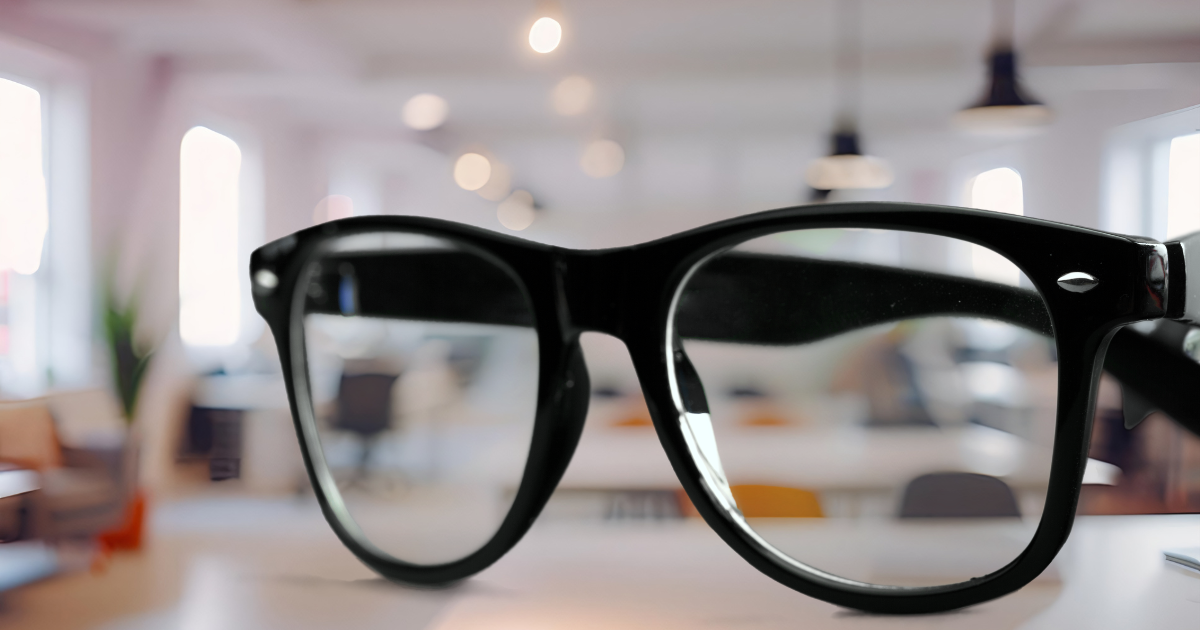
Camera Glasses at Work: Is Your Workplace Policy Keeping Up?
Camera glasses and smart glasses can record video, audio and photos without being as obvious as a phone. Here’s what NZ employers should consider around workplace privacy, recording, customer behaviour and updating workplace policies.

AI at Work: Don’t Just Automate the Job — Redesign It
AI is changing how work gets done. But for most New Zealand employers, the useful question isn’t simply whether AI will replace jobs.
It is:
Which parts of the job should AI do, and which parts are better done by people?
That shift in thinking matters.
Deloitte New Zealand’s 2026 Human Capital Trends research found 87% of New Zealand organisations consider planning for future workforce needs amid disruption very or extremely important. Yet only 2% say they are leading when it comes to intentionally designing how people and AI work together.
In other words, employers know change is coming. Working out what that actually means for their people is proving harder.
Start with the work, not the technology
AI Interviews Are Here: How to Beat the Bot Without Losing the Human
If you thought AI recruitment was something happening overseas, think again.
In April 2026 alone, Employment Hero reportedly conducted more than 2,500 AI-led interviews in New Zealand, with employers using AI to shortlist candidates and carry out first-round screening interviews.
For employers facing hundreds of applications, it is easy to see the attraction. AI can save time, provide consistency and help process applications quickly.
But recruitment isn't just about processing candidates. It is also where people start forming an opinion about your business.
And that matters.
So, what does an AI interview actually look like?

Cultural Differences at Work: What NZ Employers Need to Understand
New Zealand workplaces are becoming more culturally diverse, and many businesses are increasingly reliant on migrant workers, particularly in sectors where finding local staff is hard.
That diversity is a real strength. It brings different skills, perspectives and ways of thinking into a business. But it can also bring challenges if we assume everyone sees work, communication, authority and behaviour in the same way we do.
The important thing to remember is that culture is not just something “other people” have. We all have cultural norms. We all carry assumptions about what is respectful, what is rude, what good communication looks like, and how people should behave at work.
When those assumptions are different, things can be misunderstood quickly.